


Quotes
- Details

«Scientists have to work together, because if we learn something, we should know how to manage different natural systems together. It's a complicated situation right now, and the most important thing we can do is to realize that once this is over, once the conflict is resolved, we can start working closely together again. We have to keep that in mind all the time».
Paul Fuhs,
President, Chairman of the Board at Marine Exchange of Alaska, Member of the Arctic Economic Council commissions
- Details

«Circumpolar nations have to understand that Arctic affairs are not only regional issues but also international ones».
Guo Peiqing,
Professor, Director of the School of International Affairs and Public Administration, Ocean University of China
- Details
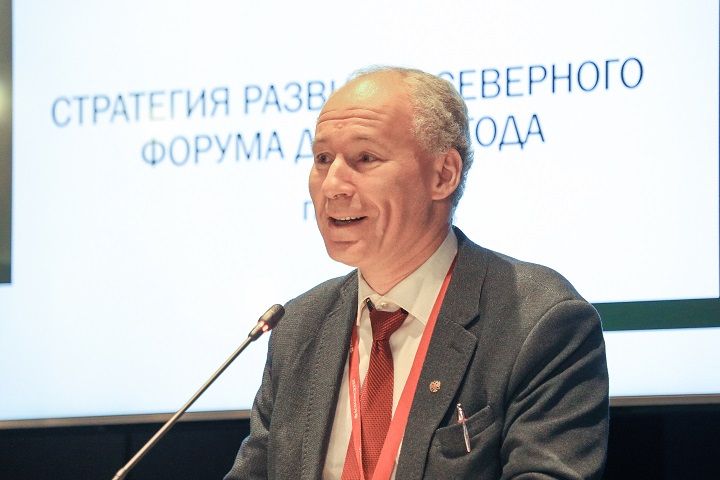
«People who go to the North, to the Arctic with a glint in their eyes, with the energy of youth, with optimism, with a culture of optimism, they are certainly more successful than their peers who stay. Because career opportunities in the North, in the Arctic, are many times greater. This was the case in Soviet times, and it remains the case today».
Alexander Pelyasov,
Director General, Regional Consulting Institute, Doctor of Geography, Professor at Lomonosov Moscow State University
- Details
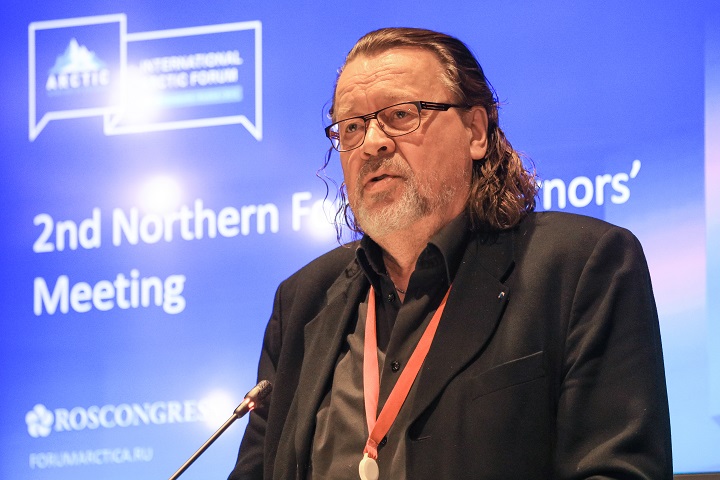
«We are going through the times of turbulence, times of uncertainty in politics, but the Arctic states are committed to cooperation».
Lassi Heininen,
Professor, Editor-in-Chief of the Arctic Yearbook
- Details

«The future of the regions directly depends on climate change. This must be taken into account when planning the socio-economic development of territories. This approach is also confirmed in the updated Climate Doctrine of the Russian Federation».
Ruslan Kukharuk,
Governor, Khanty-Mansyisk Autonomous Okrug-Yugra