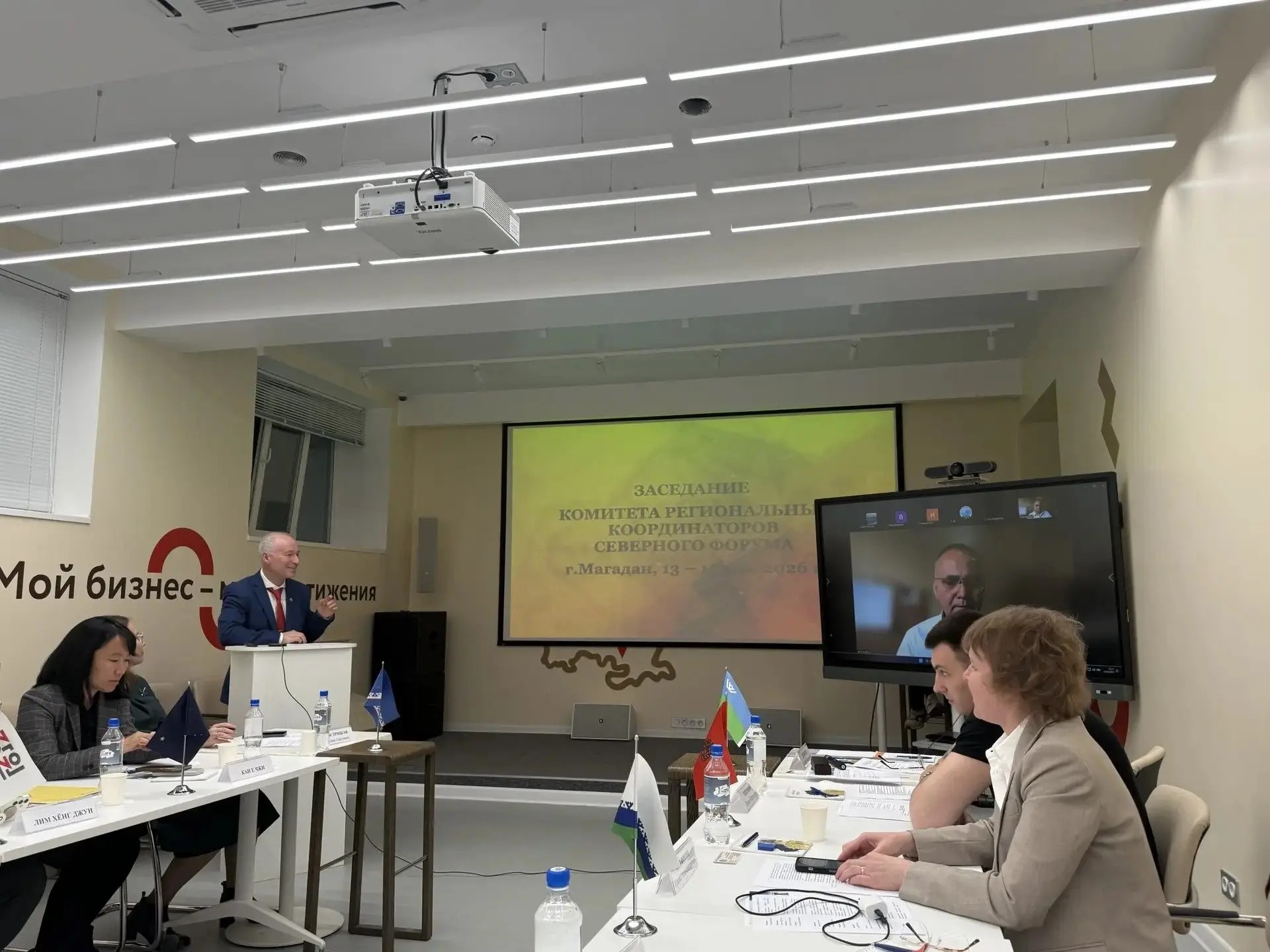
The international perspective of the discussion was underscored by Guo Peiquing
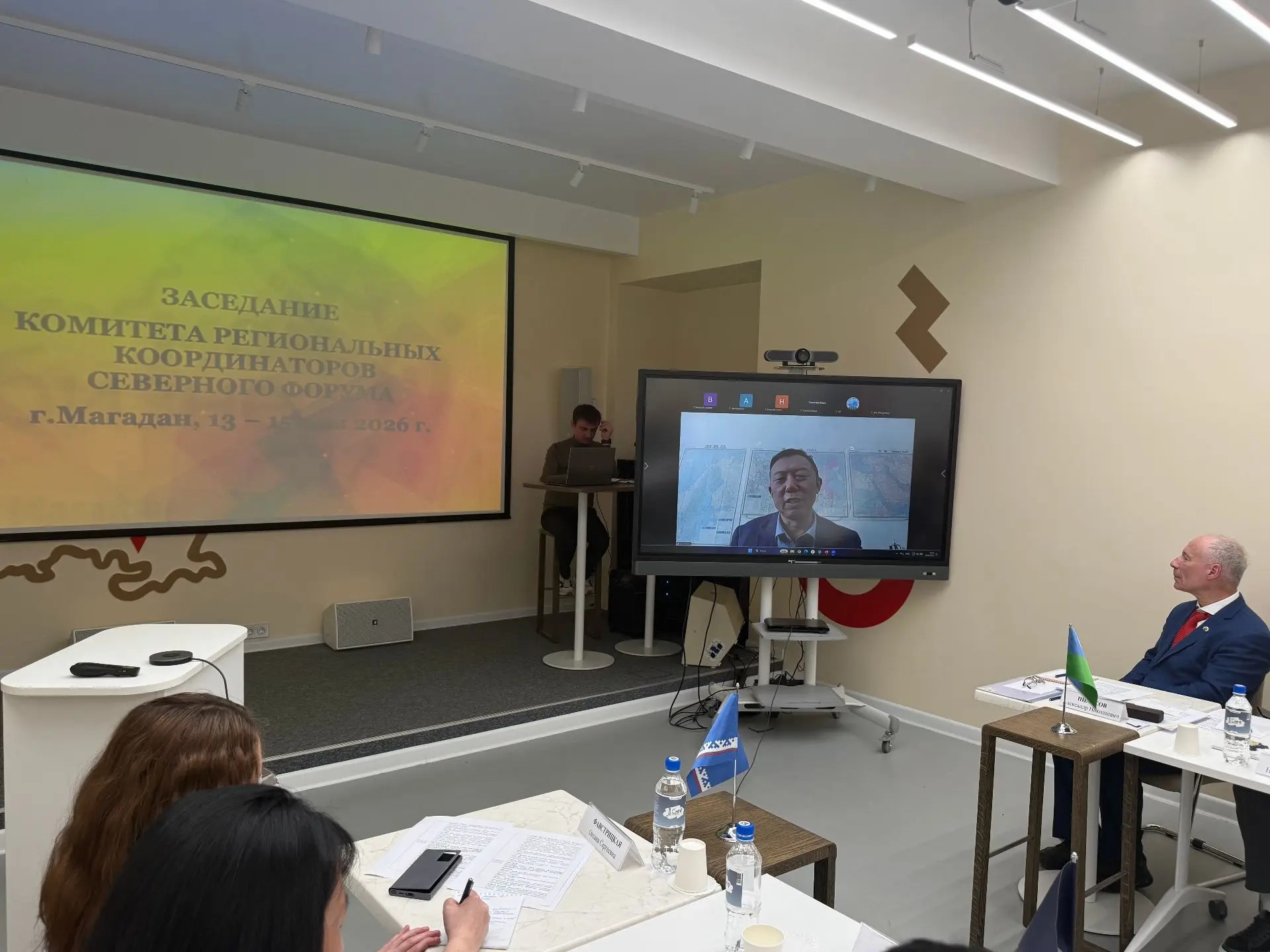
The international perspective of the discussion was underscored by Guo Peiquing, Professor at the School of International Studies and Public Administration of the Ocean University of China, Executive Director of the Polar Law and Policy Research Center, Member of the China National Association for International Studies, Vice-Chairman of the Polar Development Branch of the China Association of Marine Affairs, Founder of the international think tank "Polar and Ocean Portal," and a Northern Forum Goodwill Ambassador. Professor Guo focused on the long-term interest of Chinese academic circles and business in developing a stable and secure Trans-Arctic route.
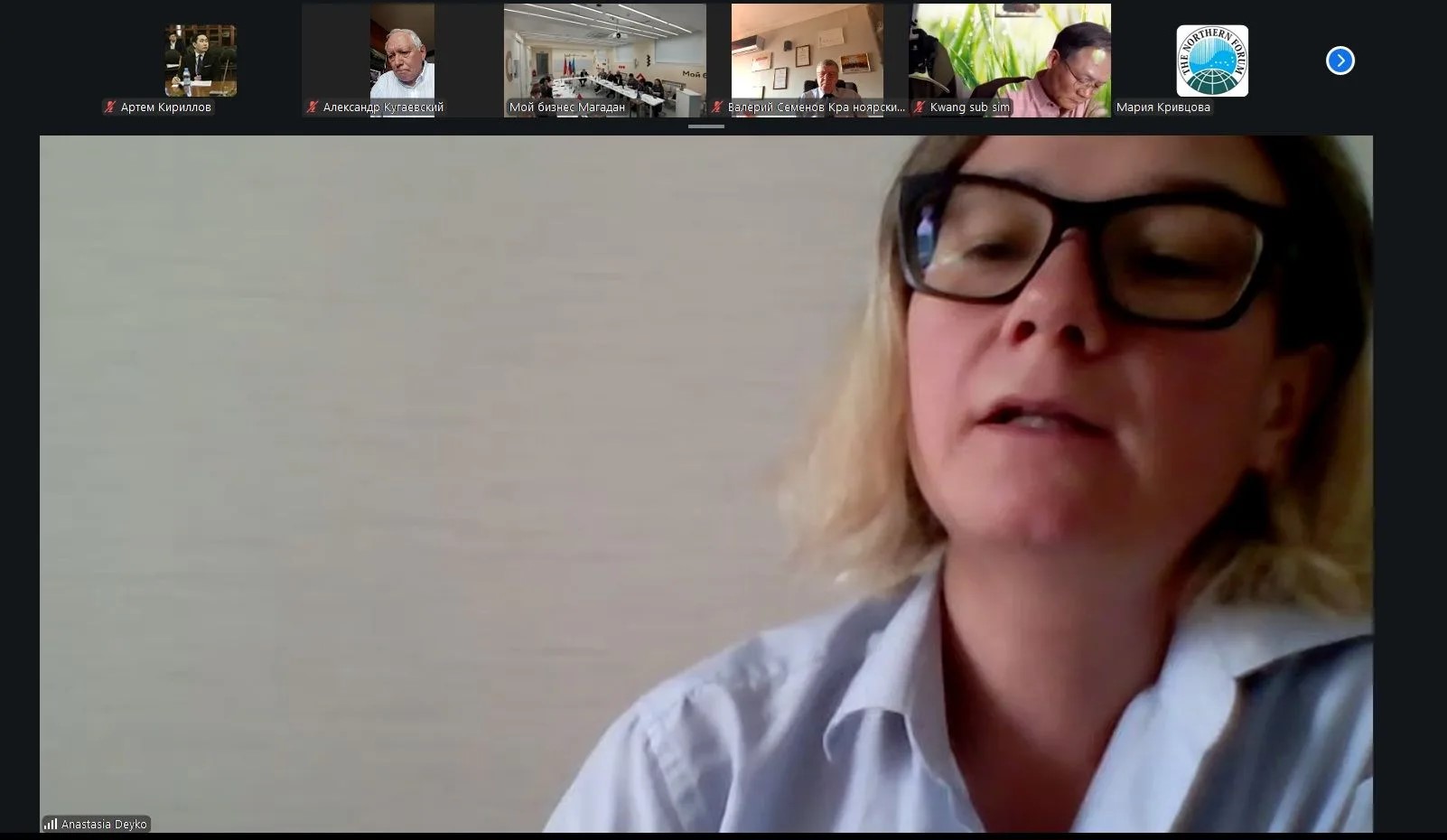
Anastasia Deiko, Secretary of the International Scientific and Educational Center in Spitsbergen, demonstrated in her presentation, "Satellite Monitoring of the Northern Sea Route," how modern Earth remote sensing systems allow for real-time tracking of ice conditions. This data, integrated into the corridor's digital platform, is critically important for ensuring year-round navigation and minimizing operational risks.
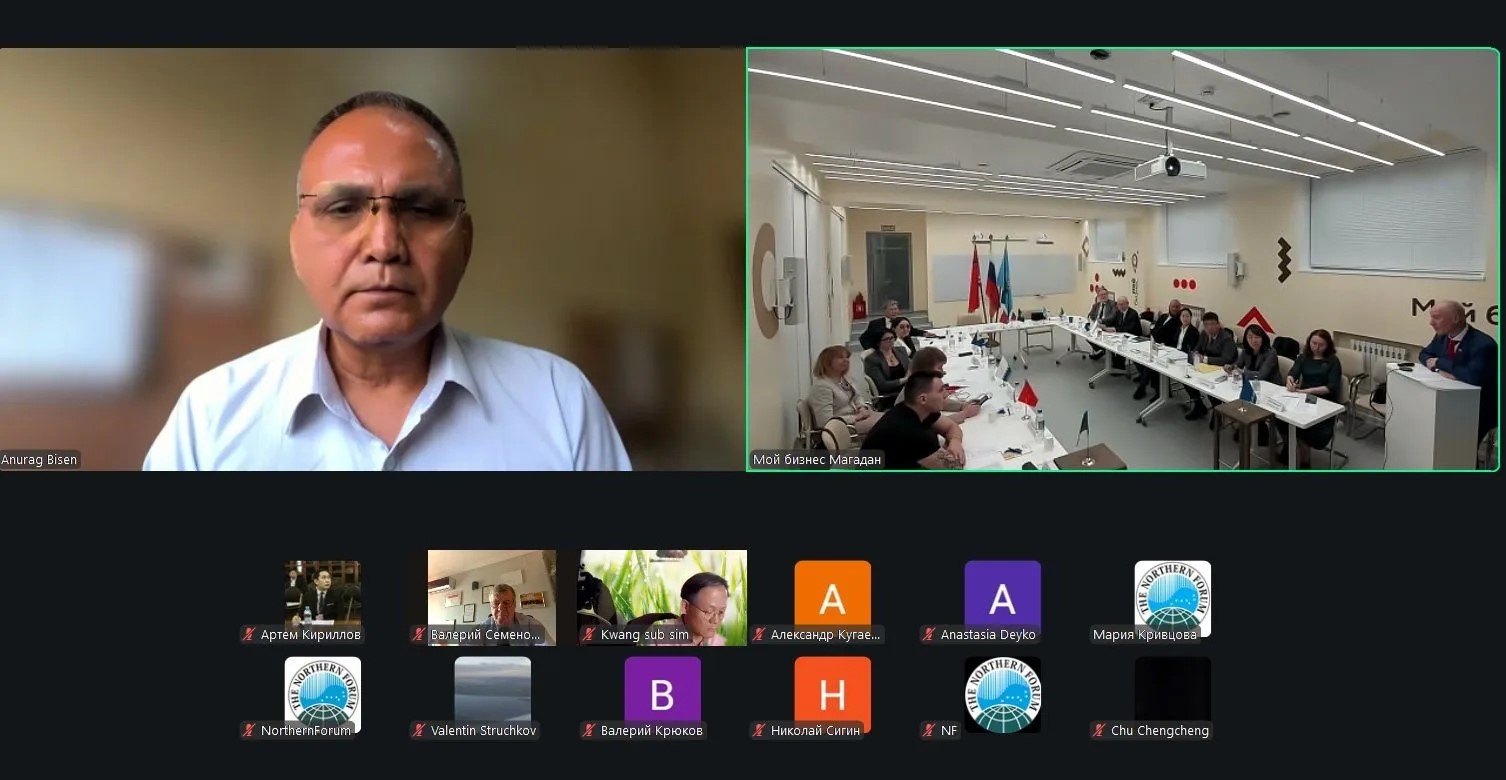
The presentations concluded with remarks from Anurag Bisen, Senior Fellow at the Vivekananda International Foundation (India). His perspective on the issue was built around the concept of connectivity. The Indian analyst emphasized that the emergence of a reliable Trans-Arctic transport corridor marks the birth of a new maritime partnership of keen interest to the countries of the Indo-Pacific region. For India, which seeks to diversify its energy and trade routes, this project offers the prospect of direct access to the resources and markets of the Arctic and the North Atlantic, bypassing traditional maritime chokepoints.
Summing up the strategic session, the participants reached a consensus that the Trans-Arctic transport corridor is shifting from being an exclusively infrastructural task. A fully realized Arctic-Pacific partnership of cities and regions must take shape, grounded in the principles of network interaction, scientific cooperation, and consideration for the interests of all stakeholders involved. The discussion in Magadan marked a significant step toward realizing this vision, bridging the expertise of Russian and international specialists, fundamental science, and the practical demands of regional policy. The platforms established by the Northern Forum allow for building a trust-based dialogue and identifying the threads of future connections that will soon become a tangible reality of the Arctic economy.