


- Информация о материале
Many international organizations and affiliations work within the Northern Forum´s community to make the Northern regional affairs and issues stronger. Most of these organizations are public but the community also includes associations of common stakeholders. All of them have though one thing in common; to promote Northern affairs.
Inter – governmental (IGOs) and non - governmental organizations (NGOs) have assumed an important role in the development of regional Northern cooperation.
Below is a list of international organizations in the North.
 |
 |
 |
 |
 |
 |
 |
 |
- Информация о материале
- Информация о материале
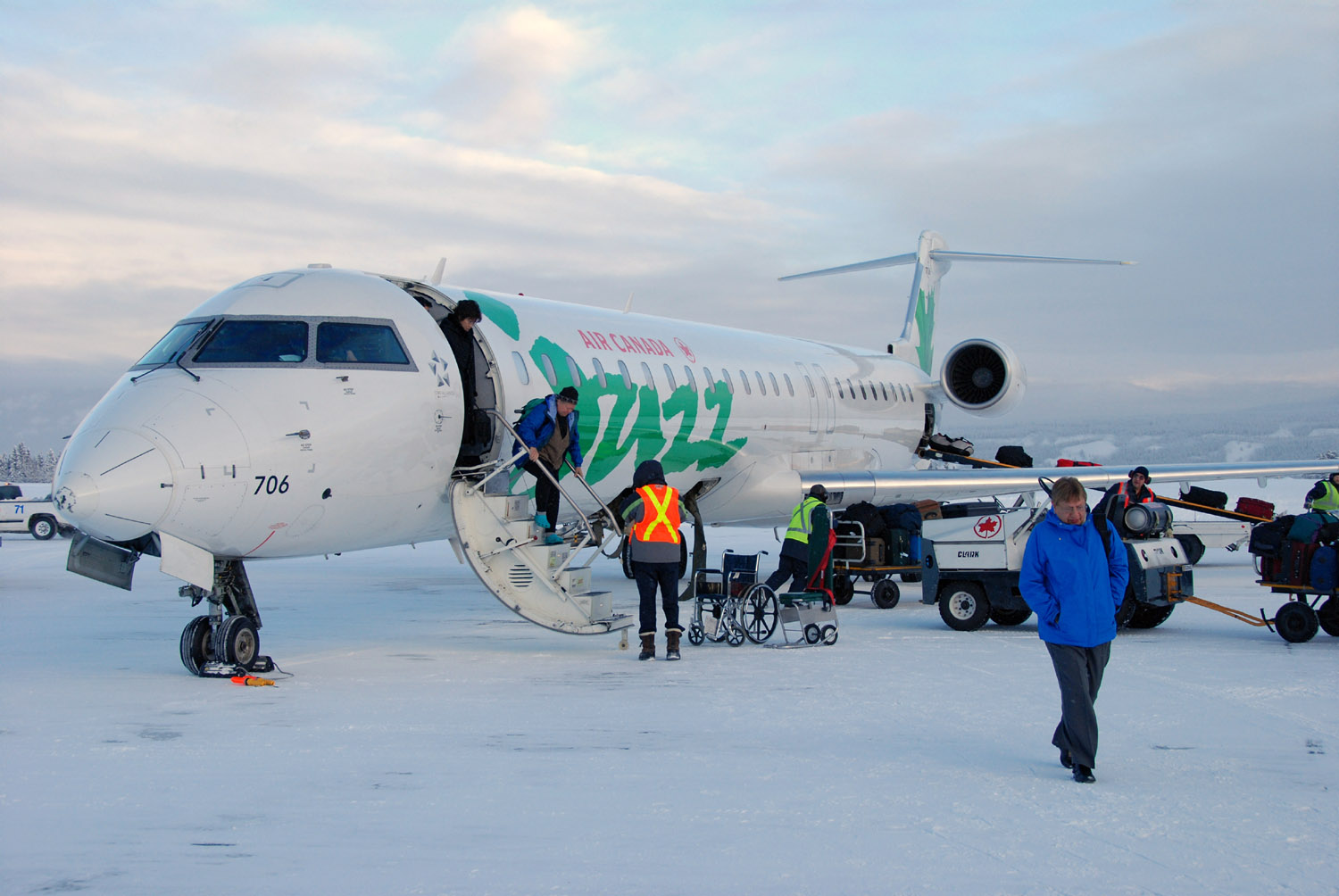 В общей сложности насчитывается 8 Арктических государств: Норвегия, Швеция, Финляндия, Россия, Соединенные Штаты Америки (штат Аляска), Дания (о.Гренландия) и Исландия. Здесь проживают около 4 млн человек, что составляет 2 % от общей численности населения Земли.
Арктические государства тесно сотрудничают по решению многих проблем Арктики, взаимодействуя как через Арктический Совет, так и через другие различные форумы.
Со времен Мировой Войны и до конца 20 века, Арктика была одной из площадок для проведения ядерных испытаний во время Холодной войны. Из-за политики холодной войны эти районы оказались в удаленности и изоляции от остального мира. Обстановка не менялась вплоть до проведения Перестройки в Советском Союзе, когда враждующие страны стали ближе, что в конечном итоге вылилось в события 1989 года.
Первое собрание , посвященное исключительно вопросам Арктики, состоялось в г.Рованиеми, в Финляндии в декабре 1989г. Тема собрания - Хрупкая Арктическая природа и потенциал для совместных усилий в решении крайне деликатных, но актуальных вопросов.
После интенсивного сотрудничества в течение 2 лет в 1989г. была разработана Стратегия защиты окружающей среды Арктики.  Деятельность Стратегии направлена на сотрудничество в области научных исследований и обмена данными о влиянии загрязнения, а также на оценку потенциального воздействия на окружающую среду деятельности в области развития. В рамках Стратегии вышеизложенные задачи требуют следующие меры решения: Программа арктического мониторинга и оценки, Защита морской среды Арктики, Предотвращение чрезвычайных ситуаций, готовность к ним и реагирование на них в Арктике, а также Сохранение арктической флоры и фауны.
Во многих отношениях данное сотрудничество отличалось от других. Во-первых, это был один из первых случаев сотрудничества соперников Холодной войны ради достижения общей цели, и один из немногих межправительственных организаций, в состав которых с самого начала вошли коренные народы регионов.
 Однако, вскоре выяснилось, что проблемы Арктики и изменения, происходящие в ее окружающей среде будут иметь настолько глобальные воздействия, что было решено создать межправительственный форум более высокого уровня для решения экологических вопросов Арктики. С целью содействовать сотрудничеству, согласованию и взаимодействию по вопросам устойчивого развития и охраны окружающей среды Арктики, в 1996 году был создан Арктический совет, в состав которого вошли все восемь арктических государств, а также региональные ассоциации коренных народов в качестве постоянных участников.
Тем не менее, дальнейшее развитие сотрудничества по вопросам Арктики не происходило до подписания первого юридически обязывающего соглашения под эгидой Арктического Совета в ма е 2011г. Соглашение о сотрудничестве в авиационном и морском поиске и спасании в Арктике закладывает основу для укрепления сотрудничества и координации в области авиационного и морского поиска и спасания в Арктике.
В дополнение к официальному сотрудничеству государственного уровня, каким является Арктический Совет, в Докладе о развитии человека в Арктике сообщалось еще о 2 сотрудничествах на тему Арктики.
Первый заключается в расширении циркумполярного сотрудничества с включением в него организаций коренных народов и субнациональных правительств. В результате данного сотрудничества появилось понятие «Север встречает Север». Перед лицом суровых социально-экономических реалий и ущемлении прав человека, коренные народы и местные общины осознали значение приграничного сотрудничества в борьбе за права человека, а также значимость социально-экономического развития. Деятельность такие организаций, как АКМНСС и ДВ РФ (Ассоциация коренных малочисленных народов Севера, Сибири и Дальнего Востока Российской Федерации) и Совет Саамов, направлена на международное признание прав коренных народов и рассмотрение традиционных средств к существованию в национальной политике.
Тема второго сотрудничества - отношения между Арктикой и внешним миром. Первые признаки интереса, пока исключительно военного характера, южных широт к Арктике проявились еще во время Холодной войны. Однако, из-за количества природных ресурсов и возможности проведения трансарктических транспортных путей, регион стал представлятьдля большинства Европейских, Североамериканских стран, а также для стран Северо-Восточной Азии стратегический и экономический интерес. Экономика Севера тесно связана и значимость Арктического региона будет расти в связи с постоянно растущим спросом на природные ресурсы. Также глобализация будет содействовать привлечению новых участников и сотрудничество в будущем продолжит расширятся в различных областях.
Для более подробной информации по интересующему Вас региону - названия регионов кликабельны.
| Государства-члены Арктического совета | Регионы-члены Северного Форума | |
| Канада | Акурейри (Исландия) | Мурманская область (Россия) - Наблюдатель |
| Гренландия | Чукотский АО (Россия) | Ненецкий АО - Наблюдатель |
| Финляндия | Провинция Кангвон (Южная Корея) | Магаданская область - Наблюдатель |
| Исландия | Камчатский край (Россия) | |
| Норвегия | Ханты-Мансийский АО (Россия) | |
| Россия | Республика Саха (Якутия) (Россия) | |
| Швеция | Ямало-Ненецкий АО (Россия) | |
| Соединенные Штаты Америки |
- Информация о материале
- Информация о материале
- Информация о материале
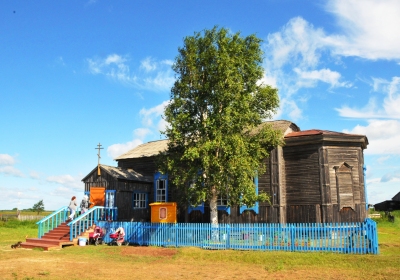
Rural Development is not an active project, yet it is an already-running initiative that has been showcased on the 2013 General Assembly of the Northern Forum by a Head of Shapsha village from Khanty-Mansiyskiy AO, Russia - a village with impressive results of sustainability.
Climate change, increasing energy costs and the need to reduce the production of greenhouse gas emissions have generated a new focus on sustainable energy production, particularly in remote and northern regions. Significant work has been done through the Arctic Council to look at oil and gas resources, but little focus has been given to the development of resources and technologies to improve energy efficiency and energy security. There is a need to have a closer look at sustainable energy technologies, their development and application, as a way to support more sustainable economic and community development. The 2008 SDWG Energy Report to Ministers recommended an Arctic Renewable Energy Assessment to report on” the status of renewable energy developments in the northern circumpolar region, and to assist in identifying a research agenda in relations to Arctic renewable energy issues.” (p.28)
Latest activities:
Presentation by Lyubov Ovcheryukova, head of Shapsha village of the Khanty-Mansiysk AO, at the RCC Meeting in Moscow in October 2013 – about work carried out on sustainable development in the village.
Leading region: Khanty-Mansiysk
Contact:
Lyubov Ovcheryukova, Head of Shapsha village, Khanty-Mansiysk AO; tel: +7(3467)37-24-33, 37-25-15;
picture link: http://hmrn.ru
- Информация о материале
- Информация о материале
- Информация о материале
As the dangerous infectious diseases kept spreading across the North, the damage from this made the international community to pay more and more attention to this problem. In 1998, an Arctic Council SDWG project called ICS was launched as a joint response to threat of the infection. This project was meant to be a circumpolar epidemic surveillance body.
Next decade brought TB to the scope of infections in the North, as its severity was growing higher. This circumstance pushed more regions to join international cooperation. In 2006 ICS has launched a tuberculosis working group. This working group consists of members from Canada, Northern Sweden, northern regions of Russia and the Arctic region of the United States (Alaska). In 2008, the Northern Forum has joined with a new project called “Infectious diseases Circumpolar Surveillance Network”.
Currently this project is implemented by participating organizations from member regions, accompanied by specialists from ex-members of the Northern Forum – State of Alaska and Saint-Petersburg. Despite this project was initiated with aim to cover all types of infectious threats, its focus has moved with time to the TB issue, what later launched the separate Northern Forum working group.
Currently, this project has:
- A determined set of aims and tasks for the TB Working Group
- An executive body of the Working Group and its plan of research
- A TB Working Group that engages practically all Circumpolar states in its activity
- Settled core questions on composition of the international TB database and a position on data transfer between the participants of the WG.
- Formulated an aim for joint research on study of TB in the Northern territories.
- To develop data transfer protocols and provide adequate security measures
- To carry out a retrospective research on TB infection cases for the last 5-6 years
- To build an algorithmic-mathematic model of development of TB epidemiologic process in the Circumpolar North regions.
- To execute international moderation of events dedicated to lower acuteness of the TB epidemiological situation in the Circumpolar North, with an accent on the Indigenous peoples of the North
Core aims for the TB WG for 2014-2015 and in perspective:
Secretariat recommendations:
Under Khanty-Mansiysk chairmanship:
- To elect members of the Working group.
- To outline a working plan for the following 2 years and forward it to the Secretariat no later than 18th of January 2014.
- To hold a seminar in Russia in 2014 to determine opportunities for extension of interregional participation in the project to continue cooperation with the Arctic Council on this project.
- To present a report to the RCC in 2014.
Lead region: Khanty-Mansiysk
Participants:
Sakha - Kravchenko Alexander Fyodorovich, Director for the State Budget Organization of the Sakha Republic, NPC “Phtisiatria” +79246609902 ;
Vinokurova Mariya Konstantinovna, Deputy Director for the State Budget Organization of the Sakha Republic, NPC “Phtisiatria” +79644239494
- Информация о материале
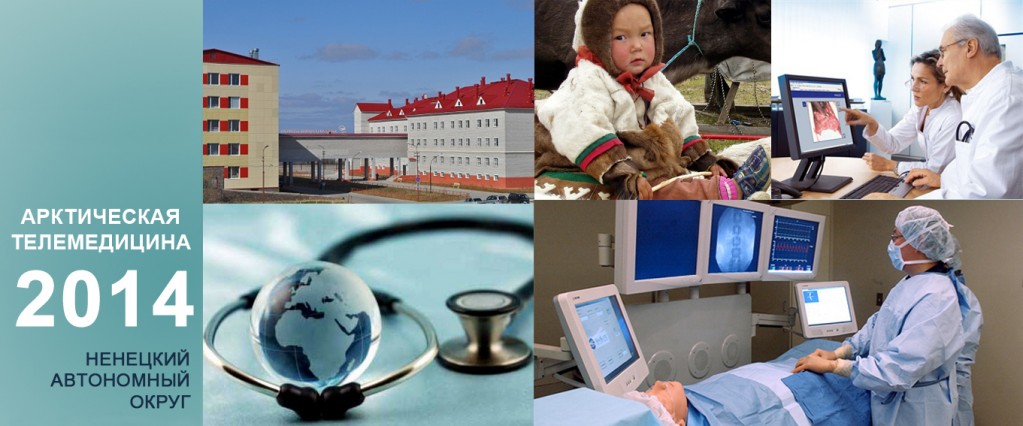
The Northern regions are usually sparcely populated and communication between settlements is often either hard, or not possible. In conditions like this, support of the modern healthcare system capable of treating serious diseases appears as incredibly expensive and nearly impossible. However, use of modern technologies can sufficiently simplify and cheapen functioning of remote healthcare centers.
This pilot project has reached certain success in workshops and experience exchange in Anchorage, Khanty-Mansiysk, Yakutsk, Seattle and Pyeonchang. Experts from Khanty-Mansiysk and the Sakha Republic held meetings with experts from the United States, Republic of Korea (Gangwon) and Finland – what accelerated the inception of this technology in life. Priority topic on all meetings remains the technological aspect of telemedicine initiative.
During work of this initiative, specialists from Khanty-Mansiysk and Sakha held meetings with experts from the United States, South Korea (Gangwon Province) and Finland – what allowed toincept this remote treatment technology into life. Experience exchange is held mostly around technical issues.
This project is funded by participating organizations
Contact: Nikolayev Matvei Khristoforovich, Sakha Healthcare Ministry, Coordinator for Telemedicine, Head of Telemedicine Department, State budget organization YRMIAC , m/t. +7(914)224-68-52, landline. +7(4112)42-96-51;
Participants: Khanty-Mansiysk: Tsaregorodcev Alexander Leonidovich,
Deputy Director for science in URIIT Institute, Khanty-Mansiysk AO, t. +7(3467)35-91-35; email:
picture link: http://internetmedicine.com
- Информация о материале
The Northern regions are usually sparcely populated and communication between settlements is often either hard, or not possible. In conditions like this, support of the modern healthcare system capable of treating serious diseases appears as incredibly expensive and nearly impossible. However, use of modern technologies can sufficiently simplify and cheapen functioning of remote healthcare centers.
This pilot project has reached certain success in workshops and experience exchange in Anchorage, Khanty-Mansiysk, Yakutsk, Seattle and Pyeonchang. Experts from Khanty-Mansiysk and the Sakha Republic held meetings with experts from the United States, Republic of Korea (Gangwon) and Finland – what accelerated the inception of this technology in life. Priority topic on all meetings remains the technological aspect of telemedicine initiative.
During work of this initiative, specialists from Khanty-Mansiysk and Sakha held meetings with experts from the United States, South Korea (Gangwon Province) and Finland – what allowed toincept this remote treatment technology into life. Experience exchange is held mostly around technical issues.
This project is funded by participating organizations
Contact: Tsaregorodcev Alexander Leonidovich,
Deputy Director for science in URIIT Institute, Khanty-Mansiysk AO, t. +7(3467)35-91-35; email:
- Информация о материале
Dangerous situation with alcohol and drug addiction in the Russian North and state of Alaska has forced the Northern Forum to launch a working group in 2006 to address improvement of rehabilitation programs in Russia and in Alaska. Firstly the working group consisted of Vologda Oblast, Komi Republic, Sakha Republic, city of St. Petersburg, Khanty-Mansiysk and Chukotka AO. Currenty, all events are held by the Sakha Republic and Khanty-Mansiysk AO. This project is led by the Khanty-Mansiysk.
Aim of the project: to improve rehabilitation programs, treatment and rehabilitation of drug and alcohol addicted individuals located in the Northern Forum member regions.
Held events:
- Training seminars attended by American specialists. Resulting publications: “Modern approaches to treatment and rehabilitation of alcohol and drug addictions in the North”, Khanty-Mansiysk 2006; “Training course for treatment and prevention of dangerous addictions in the Nort”h, Khanty-Mansiysk 2007; videoconference “Stages and strategies of short-term outpatient rehabilitation of drug and alcohol addicted patients in the North”, Khanty-Mansiysk 2008.
- Khanty-Mansiysk psycho-neurological dispensary hosted an experimental platform for prevention and rehab of drug addicted individuals, 2008; http://narkohealth.ru
- Khanty-Mansiysk delegates travelled to the United States to research current working concept and rehab standards of drug addicted patients in the USA, 2008
- A rehabilitation program for addicted patients in the North was developed and incepted.
- Clarification and updates of the working group’s participants list and of the Northern Forum member regions willing to participate in the project (First half of 2014)
- Organization of the working group’s assembly to develop and approve the group’s working plan for 2014-2015 (First half of 2014)
- Distribution of treatment model and rehabilitation of addicted patients in local hospitals, NF member regions (2014-2015)
- Experience exchange, publication of handbooks, round tables, science conferences etc. (2014-2015)
To support this project and inform the Northern Forum of its progress, Mr. Novikov has given a presentation during the RCC meeting in October 2013.
Leading region: Khanty-Mansiysk
Contacts: Novikov Andrei Petrovich, Chief medical officer at the Khanty-Mansiysk AO Surgut State Psycho-neurological clinic;mobile +7(90281) 46-1-58 ;
Participants
Sakha - Matveyeva Nyurguyana Petrovna, MD-PhD, NF working group on Healthy Lifestyle, mobile +7(914)100-33-99, ;
Chukotka - ?
Yukon - ?